Studio Porn: Paresse
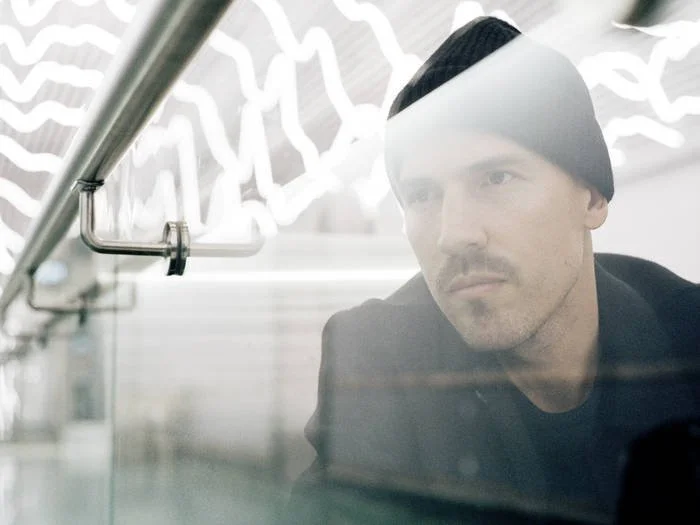
For the first installment of our Studio Porn series, we look inside the hardware-heavy environment of Ivan Berggren. Based in the stark, architectural landscape of Stockholm, Berggren produces music under the alias of Paresse, operating at the intersection of divergent sonic worlds. His output is a specialized study in contrast: the hazy, sun-drenched atmosphere of Balearic disco filtered through the cold, motorized precision of North European machine music. He has released music on various international labels such as Eskimo Recordings, Correspondant, Lumière Noire and Magic Feet, to name a few. Paresse’s tracks and remixes have been played by DJs worldwide and have appeared on several compilations. He works out of a basement studio in central Stockholm where he creates his process-driven music.
Paresse LINKS: Soundcloud // Instagram // Facebook // Bandcamp // Website
01 // THE ARSENAL
First, lay down your weapons. What are the key pieces of gear-synthesizers, drum machines, and outboard effects—central to your studio? Give us the rundown on what is currently on your table and essential to your sound.
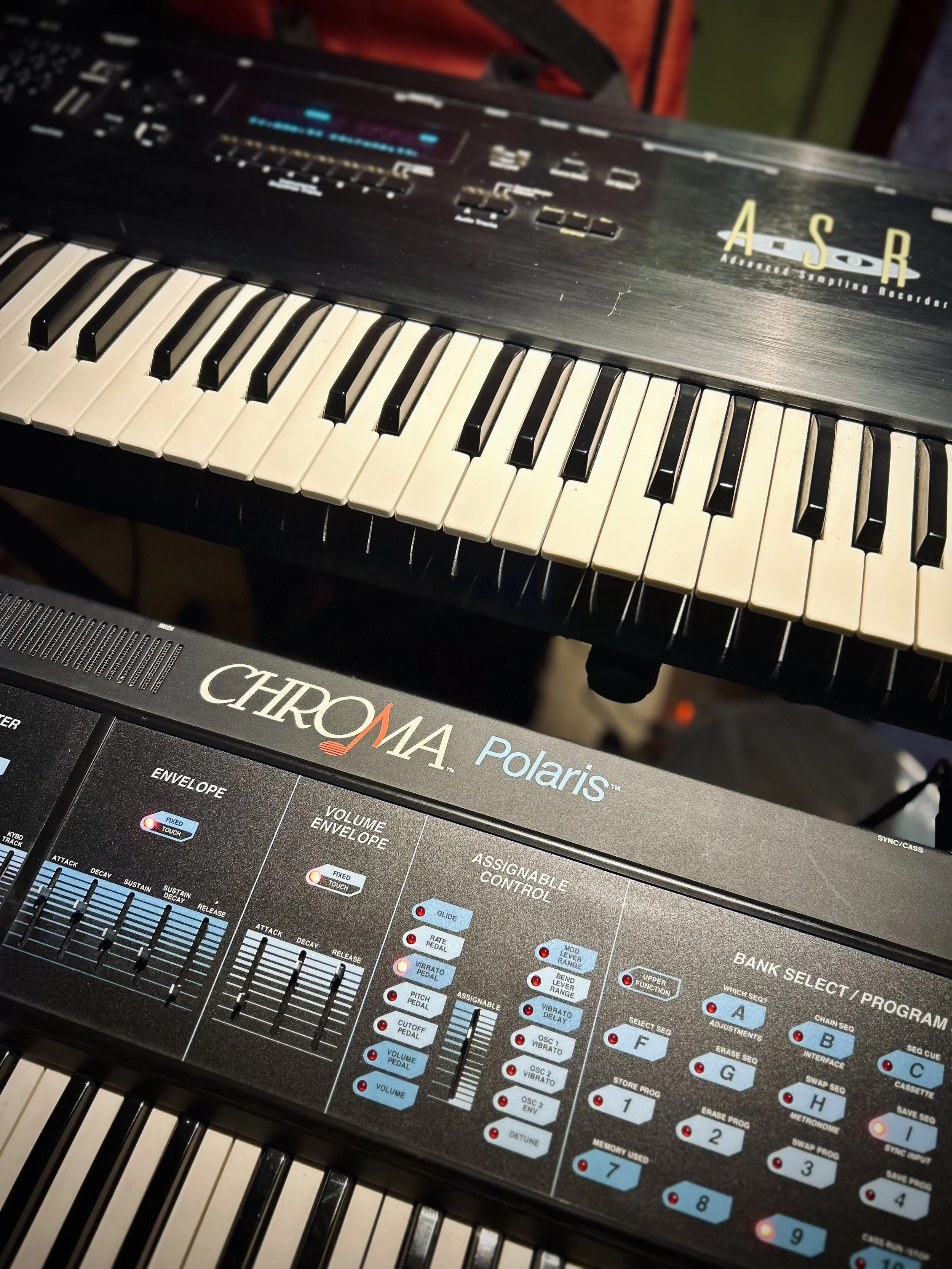
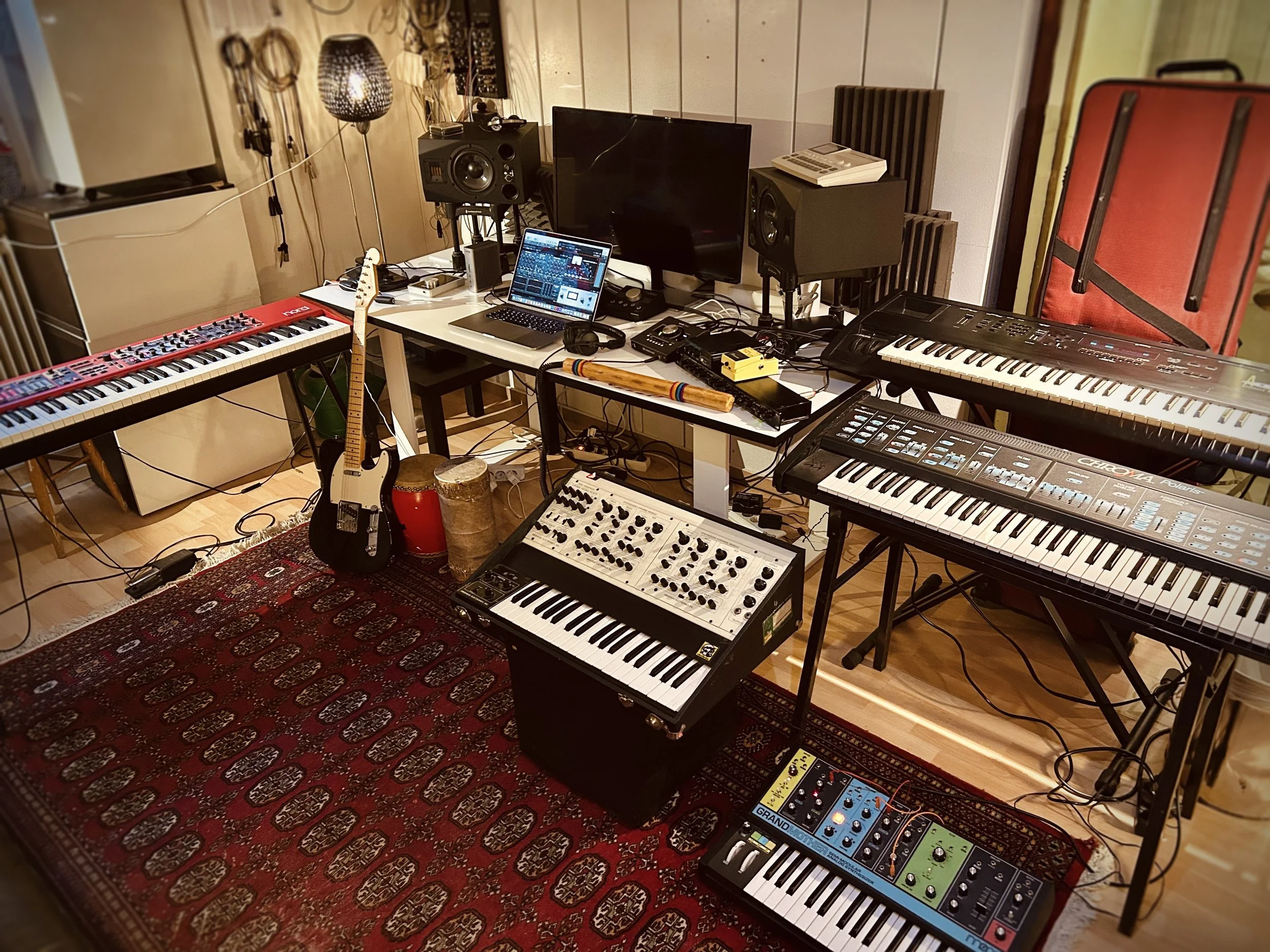
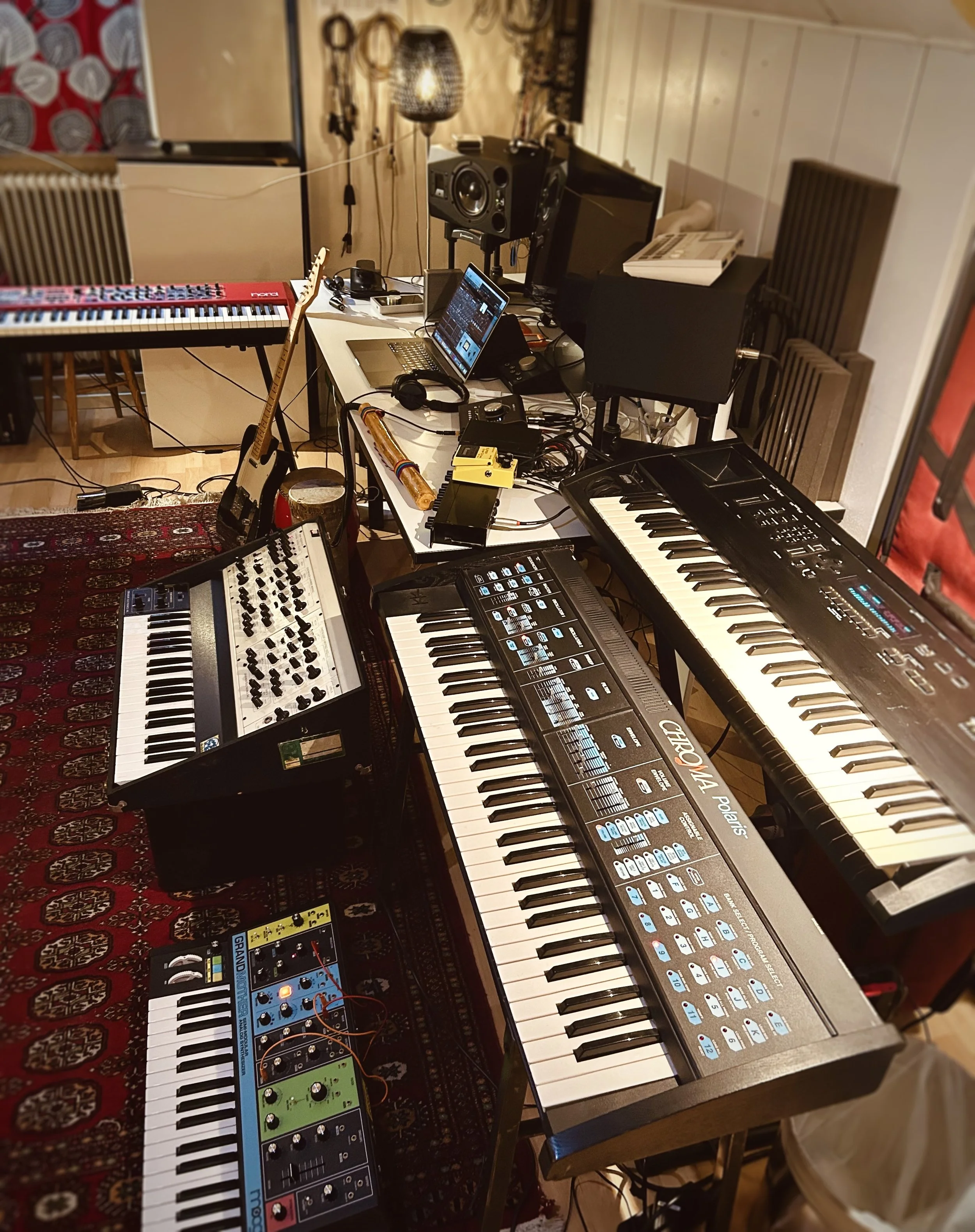
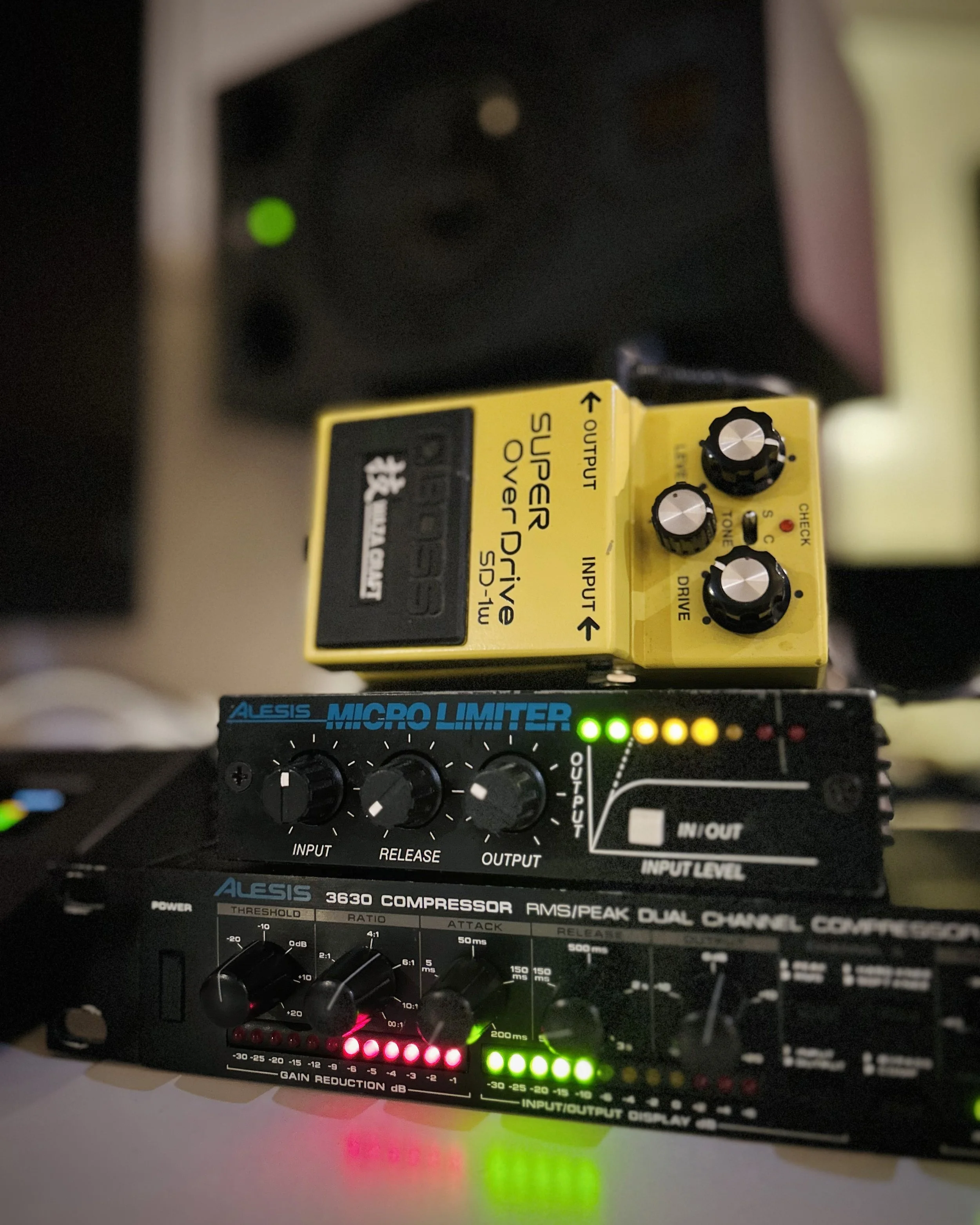
I have some gear in the studio that I’ve owned for years and that still forms the core of my setup: an Ensoniq ASR-10 sampler, Moog Grandmother, Nord Stage 88, Korg Minilogue, and a couple of old Alesis compressors—the Microlimiter and the 3630—for sound squashing and sound design.
I still use the ASR-10, which was actually the second piece of gear I bought when I started making tracks. It’s nice for quickly putting together grooves, and I also like using it for resampling and its built-in effects, which I think sound great.
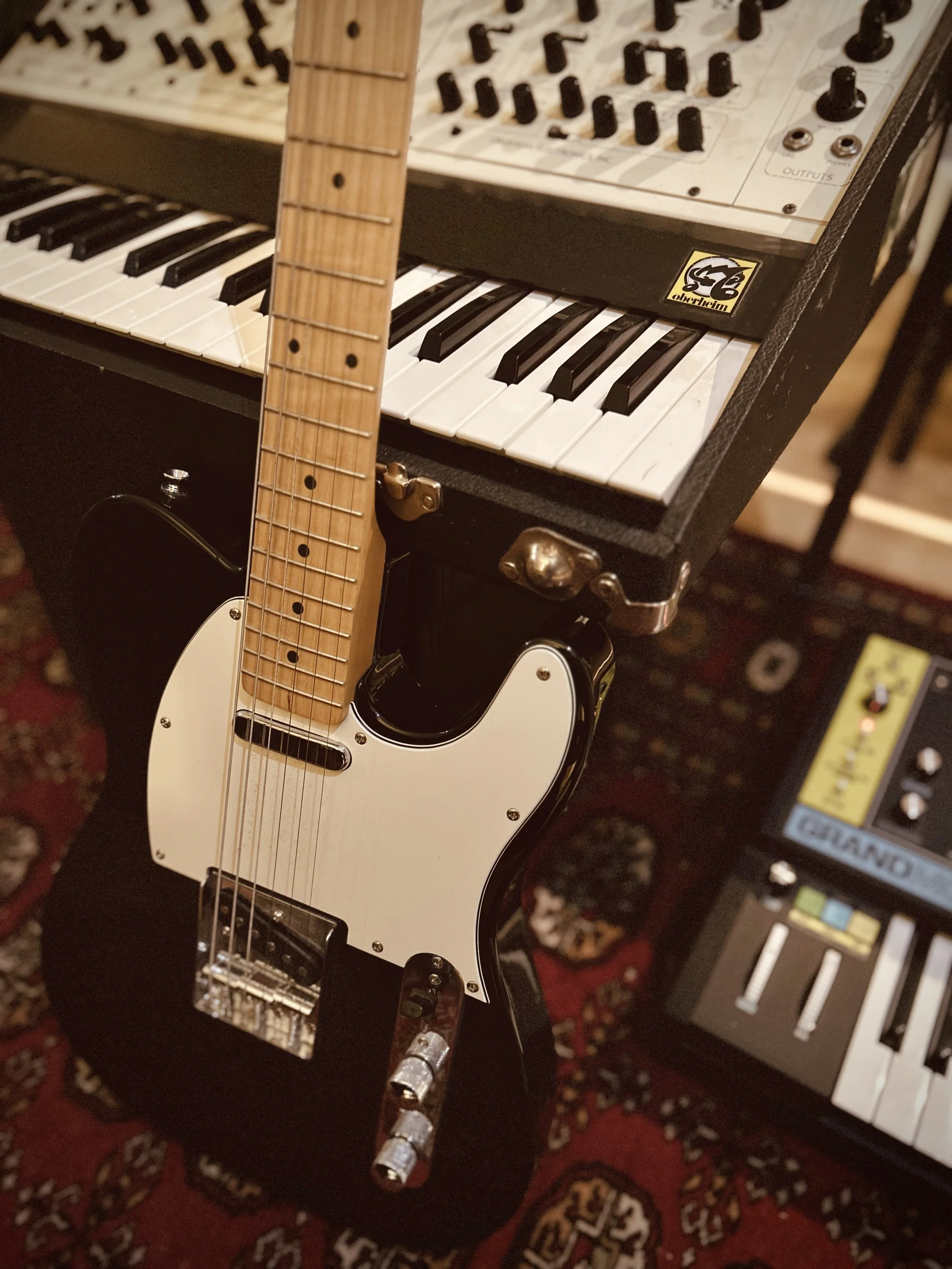
I also have a cheap electric guitar that I’ve used quite a lot in my productions. I often play tones or chords through different effects, then chop up the recordings in the computer and manipulate them further.
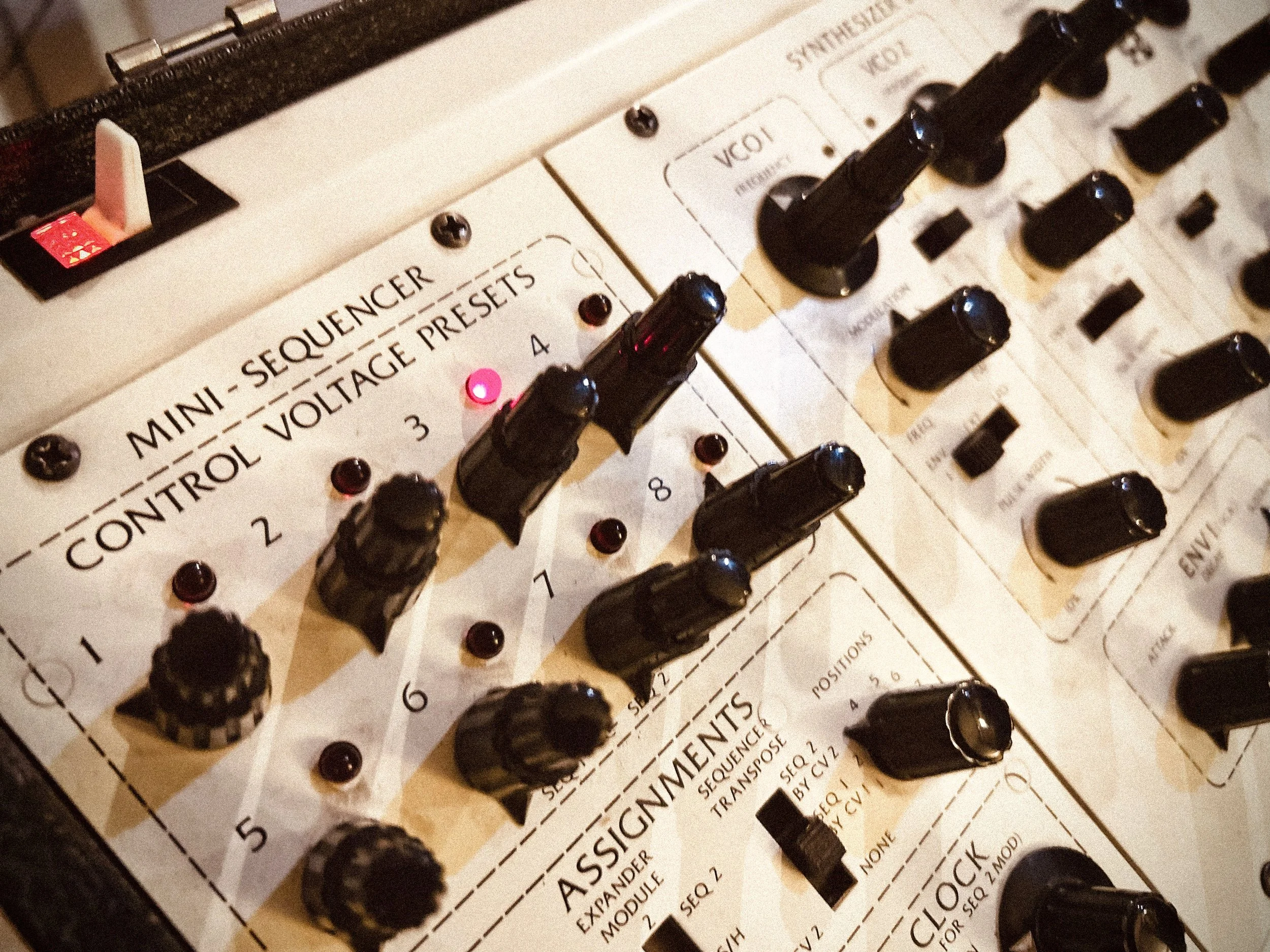
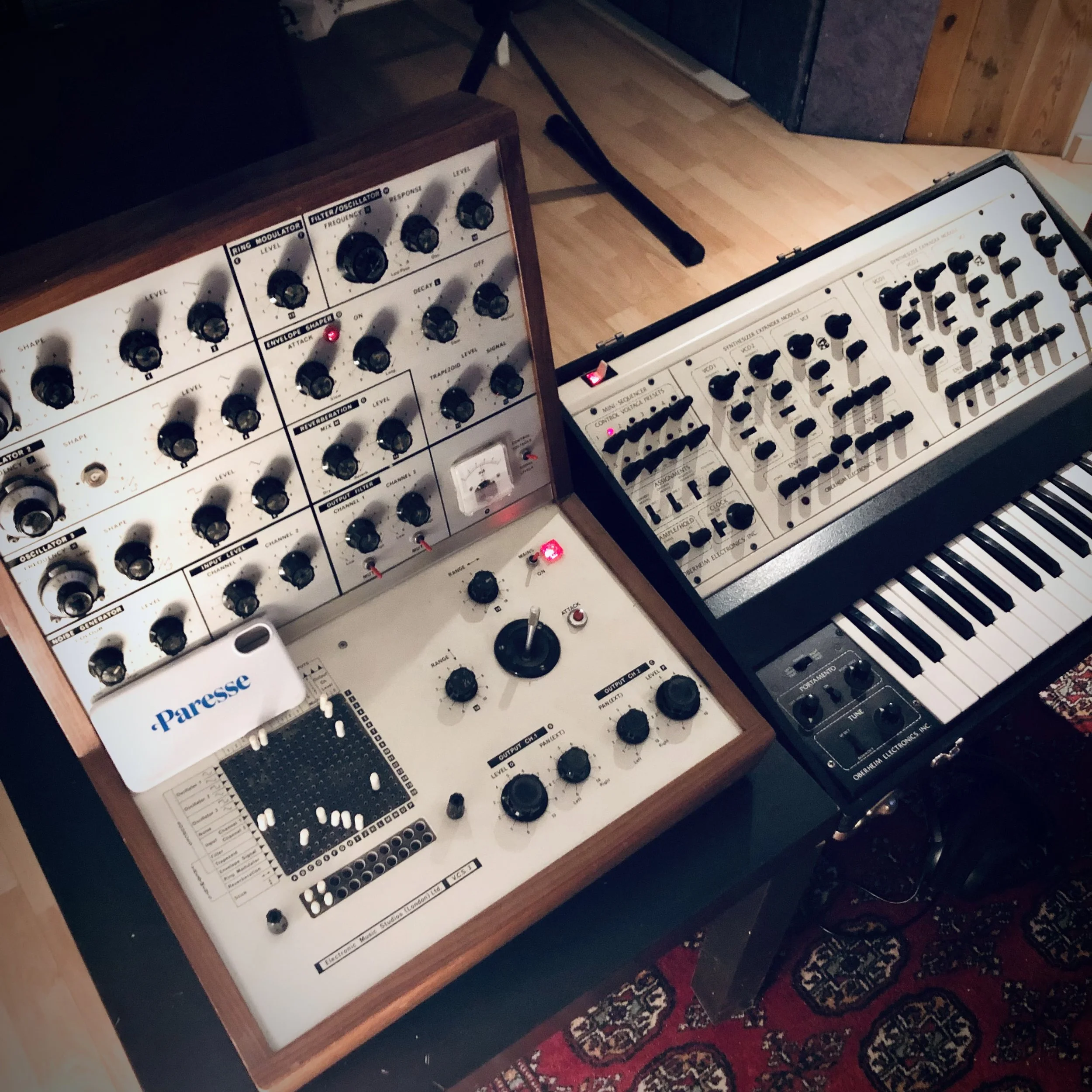
I’ve also had the luxury of borrowing gear from studio mates sitting next to me in this studio complex. Right now I have an Oberheim Two Voice, which sounds massive, and a Chroma Polaris, which has a really interesting character. Previously I borrowed an EMS VCS 3, which I sampled extensively. That thing is a crazy machine.
If you listen to the track Paresse – “SEM EMS”, you can hear the Oberheim Two Voice in action with its internal sequencer. The tone and filters on that synth sound so good.
Everything gets recorded in Logic Pro, which is my DAW of choice. I’ve also built up quite a large sample library of collected and recorded sounds that I’ve been using for many years.
02 // THE EXECUTION
Your music balances a Balearic warmth (including effect-laden guitars) with a mechanical pulse -sitting contently between genres- a sonic space that we love here at O&O… So , Regarding your workflow: what is the balance between recording live, hands-on performances, riding filters and 'playing' the hardware, versus the clinical precision of sequencing? Are you strictly hardware or do you work with plugins?
I often start by getting a groove going, either with the sampler or directly in the DAW. Once I feel the beat, I’ll reach for a hardware unit and start playing around—maybe chords or a bassline. I usually record a lot of layers quite quickly and roughly into the computer, then cut out the bits I find interesting. Playing hardware is more fun, but I also use software. For me, the hybrid approach works best.
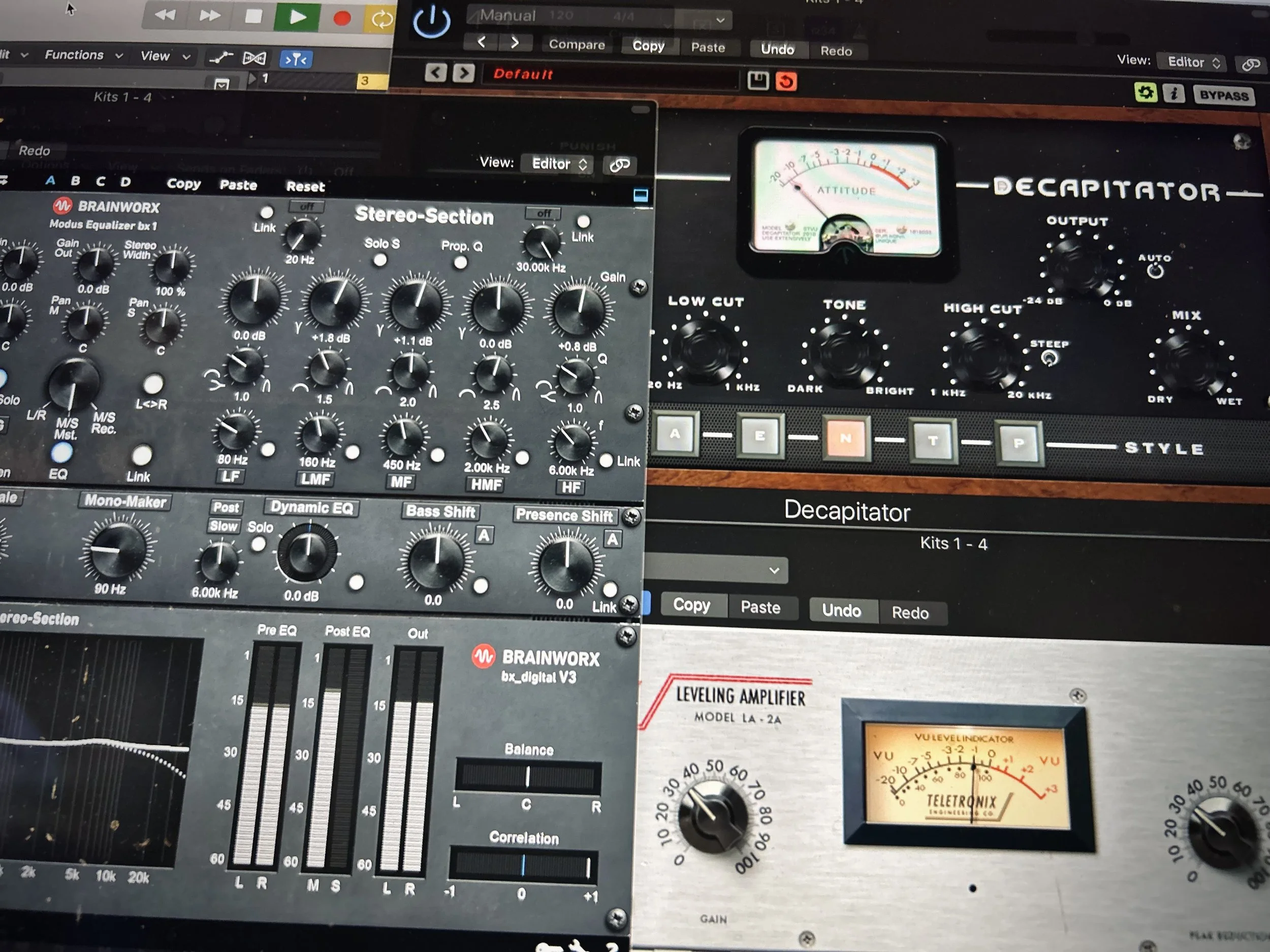
I often route tracks out of the computer through outboard gear to search for interesting textures. For mixing, I use plugins a lot. Mostly Soundtoys and UAD, but also Logic’s stock effects. An electric guitar into distortion with a long delay is always a nice combination.
At the final stage I polish everything and tighten it up. I spend quite a lot of time on details toward the end of the process—automation and subtle changes. I don’t mind minimalistic, monotonous, or hypnotic music, but I like small things to happen throughout a track so it doesn’t become boring.

“I love arpeggios, and I also enjoy the contrast between high-quality recordings and more grungy, lo-fi elements.”
03 // THE RECOMMENDATION
For the producers following this platform: what is one specific piece of 'sleeper' gear or a production technique you recommend for moving away from 'standard' sounds? Perhaps an unconventional hack or tool that helps shape your sound."
Try making your own sounds in order to find your own voice. Sample packs can be great, but it’s much more fun to create your own material. Record things with your phone or a microphone and experiment with effects. That will give you something truly unique. Enjoy the process.
You also don’t need expensive plugins to make interesting music. For free tools, check out the plugins from airwindows.com it’s a real rabbit hole.
04 // THE LINEAGE
Consider the DNA of the studio: what is one vintage piece you could never part with, and conversely, one modern tool that you find indispensable? Is there a particular 'holy grail' piece you’re still hunting for? Additionally, are there any specific artists or producers whose work has served as a blueprint for your own production techniques?
I hope the owner of the Oberheim Two Voice never takes it back. The ASR-10 would also be very hard for me to let go of, mostly for nostalgic reasons. I’d like to own something from Thermionic Culture, either the Phoenix compressor or the Culture Vulture. Saturation and distortion are very important to me for adding overtones, and there are many ways to achieve that.
Dynamic EQ or Trackspacer is great for creating space in a mix, aside from sidechaining. Mid-side EQ can also be very useful.
Some influences I can mention are Kebekelektrik, Metro Area, Andrew Weatherall, Black Devil Disco Club, Giorgio Moroder, Neu!, Manuel Göttsching, and Brian Eno. Eno’s music and his thoughts on creativity have been particularly inspiring.
05 // CURRENT OUTPUT
Looking at your most recent EP, which machines / techniques shape the specific sound of Times? Give us a breakdown of the production behind it and tell us what else is on the horizon for Paresse."
“Times” is a collection of tracks that includes my latest Paresse single, “Invisible Game.” The other tracks were originally released between 2015 and 2017 on another label, but are now available digitally on my own label, Paresse Music.
I try to achieve a sound that feels somewhat retro but with a modern twist, using both old and new tools. I love arpeggios, and I also enjoy the contrast between high-quality recordings and more grungy, lo-fi elements.
“Invisible Game” begins with a field recording of running water from a stream near my country house. I sometimes add subtle nature recordings like this to my tracks to bring atmosphere and texture. The melodies in that track are played by various synths, including the Oberheim Two Voice.
I currently have some new tracks in the works that might end up on a new EP, and I’m also working on an album with a vocalist. I’ll keep you posted—though that project will be released under a different name.