
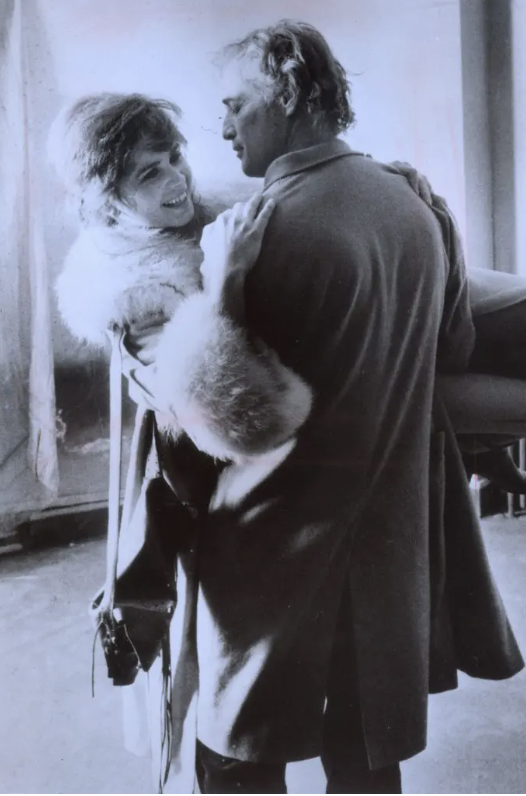
LAST TANGO IN PARIS (1972)
Review for Bernardo Bertolucci’s Last Tango in Paris.

“There’s nothing left for me, just memories… and the apartment.”
Bernardo Bertolucci’s Last Tango in Paris is as haunting as it is infamous. Set almost entirely within the crumbling walls of a dim Parisian apartment, the film captures the raw connection between two strangers—Paul (Marlon Brando), a grieving widower, and Jeanne (Maria Schneider), a young woman grasping for her own identity. Brando delivers an astonishing performance, almost entirely improvisational, an unfiltered portrayal of rage and grief. Schneider’s presence adds an unsettling innocence to the chaos of their affair.

File Under: Erotic Melancholia | Arthouse | Jazz
The film’s jazz-heavy score by Gato Barbieri sets the tone: smoky, mournful, and tense, perfectly matched to Bertolucci’s unflinching vision of intimacy at its most dangerous. It’s a film about loneliness and release, desire and decay—its themes layered in shadows, whispers, and muted color palettes.
Last Tango has continued to stir controversy. Its notorious “butter scene” and filming revelations from Schneider point toward exploitation. These conversations are now inseparable from the film’s legacy, complicating its impact while demanding a more critical lens, whilst adding a layer of libertine-ian mystique.
For all its controversy, Last Tango in Paris remains a stark meditation on grief, isolation, and the harmful ways we seek connection when searching for meaning. Bertolucci’s Paris feels frozen in time—disjointed, melancholic, and perfectly suited to winter’s darkest moods.

"Last Tango in Paris", Bernardo Bertolucci. 1972, Italy. Running Time: 126 Minutes. English-French. Available for rent on Amazon Prime Video and streaming on Pluto TV.
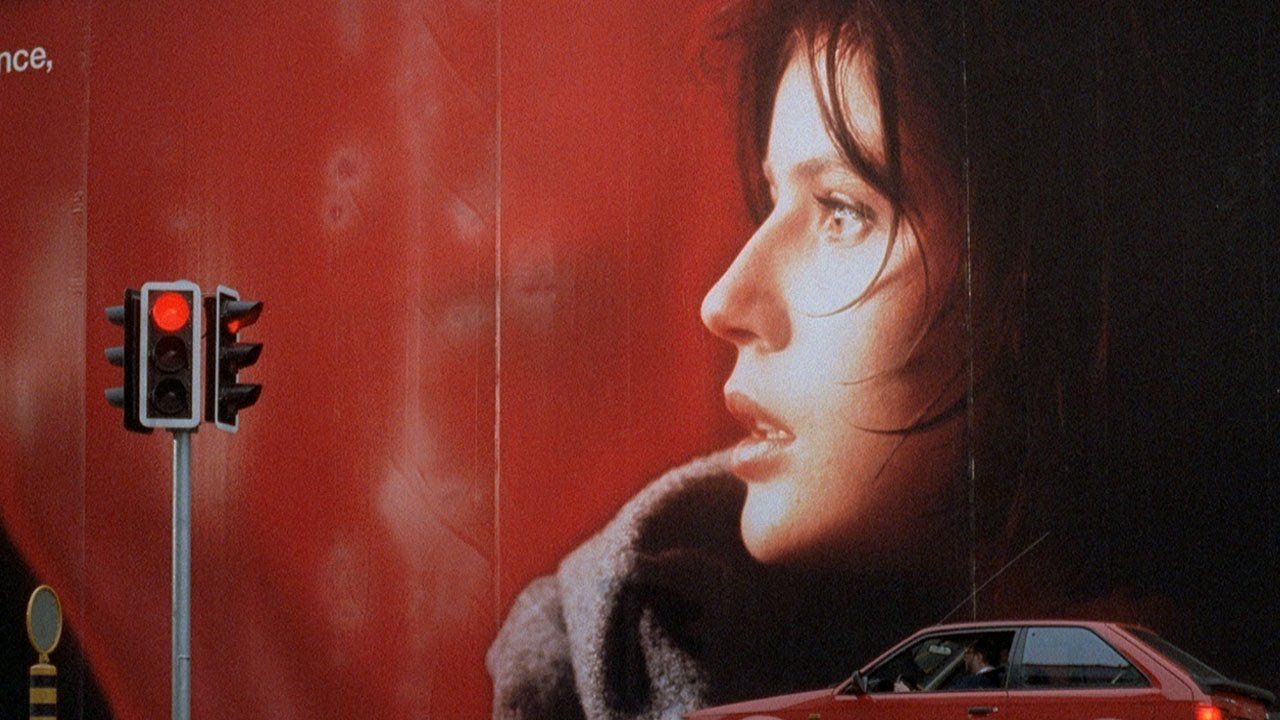
ROUGE
1994 french romantic mystery from tres coleurs series


Polish director Krzysztof Kieślowski’s “Rouge” is the third film of his Trois Coleurs series. A chance encounter between a Geneva model named Valentine, played by the ravishing beauty Irene Jacob, and an off-putting retired judge, played by French legend Jean-Louis Trintignant, becomes a metaphysical exploration of the bonds of human relationships, the ethics of surveillance and personal privacy, and how each action in life is beautifully and frighteningly out of our control.
“This is a film about communication that disappears. We have better and better tools and less and less communication with each other. We only exchange information.”-Krzysztof Kieślowski
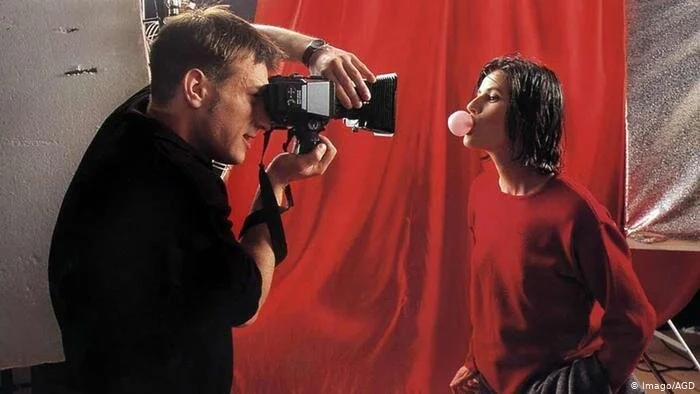

VIDEODROME
1983 psyche-fururistic-sleaze-scifi-thriller


David Cronenberg’s 1983 psychotronic, psychotropic fringe film starring James Woods as a sleazy TV station manager and Debby Harry as his sadomasochistic girlfriend, explores Marshall McClaren’s maxim “The Medium is the Message” in a frightening (albeit low tech) vision of television as a drug that blends into and transforms reality - an erotic pilot program turns out to be a snuff production; and so goes the film, ... caustic energy and bizarre sequences, frenzied sardonic sci-fi, a critique of our relationship with media prophesizing future dilemmas of the technological media age.
“The very existence of imagination means that you can posit an existence totally different from the one you are living… if you accept at least on some level the Freudian dictum that civilization is repression, than imagination and unrepressed creativity is very dangerous to civilization.” - David Cronenberg
